In today’s rapidly changing technological era, companies have been looking out for new ways to interact with their customers and grab their attention. Poster boards and conventional banners have started giving way to digital means, which are more efficient and versatile in their approach. The digital display board is a communication innovation used in different industries to promote their products.
Wherever you may go, whether at a shopping mall, an airport, a hospital, a school, or even a commercial building, there is no doubt that you will encounter a digital display board. These modern display boards offer up-to-date information, marketing messages, video presentations, and even interactive experiences much more engaging than traditional signboards.
In this blog, we will explore what is a digital display, how digital display boards work, their components, benefits, and applications in different sectors.
What is a Digital Display?
A digital display is an electronic screen used to present visual content such as text, images, videos, animations, and interactive media. Unlike traditional printed signs, digital displays can be updated instantly, allowing businesses to modify content whenever required.
Digital displays come in various formats, including LED screens, LCD displays, touch-screen kiosks, video walls, interactive panels, and outdoor advertising screens. They provide a modern and effective way to communicate information to a large audience.
Also Read: What is Digital LED Standee? Benefits, Uses & Applications
What is a Digital Display Board?
A digital display board is an electronic signage system that uses display technology to show dynamic content. It can display advertisements, announcements, schedules, directions, product information, and other important messages.
Unlike static signboards, digital display boards can be managed remotely and updated in real time. Businesses can schedule content, display promotional campaigns, or share live information without replacing physical materials.
Digital display boards are widely used because they attract attention more effectively than traditional signage and provide businesses with greater control over their messaging.
How Do Digital Display Boards Work?
Understanding how digital display boards work helps businesses appreciate their value and functionality. A typical digital display board operates using several key components:
Display Screen
The display screen is the most visible component. It may use LED, LCD, OLED, or other display technologies to present content clearly and attractively.
Media Player
The media player acts as the brain of the system. It stores and processes content such as videos, images, presentations, and animations before sending them to the display screen.
Content Management Software
Content management software allows users to create, edit, schedule, and manage content remotely. Businesses can update information instantly without physically accessing the display.
Internet or Network Connection
Many digital display boards are connected to the internet or a local network, enabling remote content updates and centralized management across multiple locations.
Power Supply
A reliable power source ensures continuous operation and uninterrupted content display. When all these components work together, the system can display dynamic and engaging content efficiently and effectively.
Types of Digital Display Boards
Modern businesses can choose from different types of digital display boards depending on their requirements.
Indoor Digital Display Boards
These are commonly installed inside retail stores, shopping malls, corporate offices, hospitals, and educational institutions. They are designed for controlled indoor environments and provide high-resolution visuals.
Outdoor Digital Display Boards
Outdoor displays are built to withstand weather conditions while maintaining visibility in sunlight and varying environmental conditions.
Interactive Display Boards
Interactive boards allow users to engage directly with the screen through touch technology. These displays are popular in education, retail, exhibitions, and information kiosks.
Video Walls
Video walls combine multiple screens to create a large visual display used for events, command centers, conferences, and advertising campaigns.
Benefits of Digital Display Boards
Businesses are increasingly investing in digital display technology due to its numerous advantages.
- Enhanced Customer Engagement- Dynamic visuals naturally attract attention. Videos, animations, and moving graphics are far more effective at engaging audiences than static posters.
- Easy Content Updates- One of the biggest benefits of digital display boards is the ability to update content instantly. Businesses can modify promotions, announcements, and messages without printing new materials.
- Cost-Effective Communication- Although the initial investment may be higher than traditional signage, digital display boards reduce long-term printing and replacement costs.
- Improved Brand Visibility- High-quality digital content helps businesses create a professional image and strengthen brand recognition.
- Real-Time Information Sharing- Organizations can instantly communicate important updates, schedules, alerts, and announcements to their audience.
- Environmentally Friendly- Digital signage reduces paper waste and supports sustainable business practices.
Electronic Advertising Board: The Future of Marketing
An electronic advertising board is one of the most popular applications of digital display technology. Businesses use these boards to showcase advertisements, product launches, special offers, and promotional campaigns.
Unlike traditional billboards, an electronic advertising board allows multiple advertisements to run on a single screen. Advertisers can schedule campaigns based on time, audience demographics, or location-specific requirements.
Electronic advertising boards are commonly used in:
- Shopping malls
- Retail stores
- Airports
- Metro stations
- Corporate buildings
- Exhibition centers
- Hotels and restaurants
Their ability to display engaging multimedia content makes them highly effective for modern marketing strategies.
Digital Information Board Applications
A digital information board is primarily used to communicate useful information to visitors, employees, customers, and the general public.
Common applications include:
- Educational Institutions- Schools, colleges, and universities use digital information boards to display notices, event schedules, examination updates, and announcements.
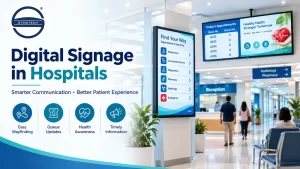
- Hospitals- Hospitals utilize digital boards for patient guidance, appointment information, and health awareness messages.
- Corporate Offices- Organizations use digital information boards to communicate company news, meeting schedules, employee achievements, and internal updates.
- Transportation Hubs- Airports, railway stations, and bus terminals rely on digital boards for displaying arrival, departure, and travel information.
- Government Facilities- Government offices use digital displays for public announcements, service information, and citizen communication.
Why Businesses Are Switching to Digital Display Boards
Modern consumers expect quick access to information and engaging experiences. Traditional advertising methods often fail to capture attention in today’s competitive environment.
Digital display boards offer businesses several advantages:
- Increased audience engagement
- Better communication effectiveness
- Flexible content management
- Enhanced customer experience
- Higher advertising impact
- Stronger brand presence
As technology continues to evolve, digital displays are becoming an essential part of business communication strategies.
Future of Digital Display Technology
The future of digital display boards is highly promising. Emerging technologies such as artificial intelligence, cloud-based content management, touchless interaction, facial recognition, and data-driven advertising are making displays smarter and more effective.
Businesses are increasingly integrating digital signage with customer analytics, allowing them to deliver more personalized and targeted content. Interactive and intelligent displays are expected to play a major role in customer engagement and marketing in the coming years.
Conclusion
Understanding what is a digital display and how a digital display board works is essential for businesses looking to improve communication, customer engagement, and brand visibility. Whether used as an electronic advertising board for promotional campaigns or as a digital information board for sharing important updates, these systems offer flexibility, efficiency, and modern appeal.
At Staietech LLP, we provide innovative digital display solutions designed to meet the evolving needs of businesses, institutions, and organizations. By investing in advanced digital display technology, businesses can create impactful experiences, improve communication, and stay ahead in an increasingly digital marketplace.